Practice Directory | www.rroknom.com
This Content Modified - Wed, 14 Oct 2026 23:00
Browse Trusted Ear Wax Removal Clinics Across Our Practice Network
If you are looking for a nearby clinic, this directory brings together a range of private microsuction locations across England, each with its own local page for practical details and guidance. The directory is designed to help people compare clinic names, town coverage, accessibility notes, and the sort of treatment options typically offered by hearing specialists. Many visitors arrive with a simple need, such as finding a same-day appointment, checking parking, or confirming whether a clinic has step-free access. Others are comparing locations before booking a consultation for blocked ears, hearing loss linked to wax build-up, or routine ear care. This page gives you a clear starting point so you can move quickly from search to the right clinic page without having to sift through unrelated information. It is also useful if you want to understand which locations serve a wider local area, because many clinics support surrounding towns and neighbourhoods, not just one postcode.
What the Directory Helps You Compare
- Clinic location and local area coverage, so you can narrow your search to a nearby ear care provider with less effort.
- Accessibility details, including ground-floor access, lifts, and disabled parking where these are available.
- Practical travel clues, such as station proximity, main roads, shopping centres, and nearby landmarks.
- Service focus, especially private microsuction ear wax removal and manual instrument wax removal performed by audiology professionals.
- Useful booking pages for people who want to act quickly after noticing muffled hearing, pressure, or discomfort.
Find a Local Clinic That Suits Your Journey
Choosing an ear wax removal clinic is often about more than distance alone. A good option should be easy to reach, straightforward to enter, and suitable for your mobility needs as well as your schedule. That is why location pages in this directory highlight transport links, parking arrangements, and building access wherever possible. If you are travelling by car, you may want to check for on-site parking or nearby street parking before setting off. If you are using public transport, the most helpful detail may be how close the clinic is to a station, bus route, or central high street. This practical approach saves time and reduces stress, especially when symptoms such as blocked ears, reduced clarity, or a build-up of earwax are affecting day-to-day life. The directory is also helpful for carers and family members arranging an appointment on someone else’s behalf, because it gives a quick overview of the clinic environment before they book.
Useful Travel Questions to Ask First
- Is the clinic close to my home, workplace, or regular station, so the journey stays simple and predictable?
- Does the site offer step-free access, a lift, or a ground-floor room for easier entry?
- Are there parking spaces nearby, and are any of them suitable for disabled visitors or short stays?
- Will I need to allow extra time for a shopping centre, surgery, or busy town-centre location?
- Can I reach the clinic by public transport without a long walk after I arrive?
Small Detail, Big Difference
For many people, a convenient clinic makes the difference between delaying treatment and booking promptly. When ear wax is causing discomfort, tinnitus-like symptoms, or a blocked sensation, the easiest clinic to reach is often the one you will use.
Private Microsuction Explained in Plain Language
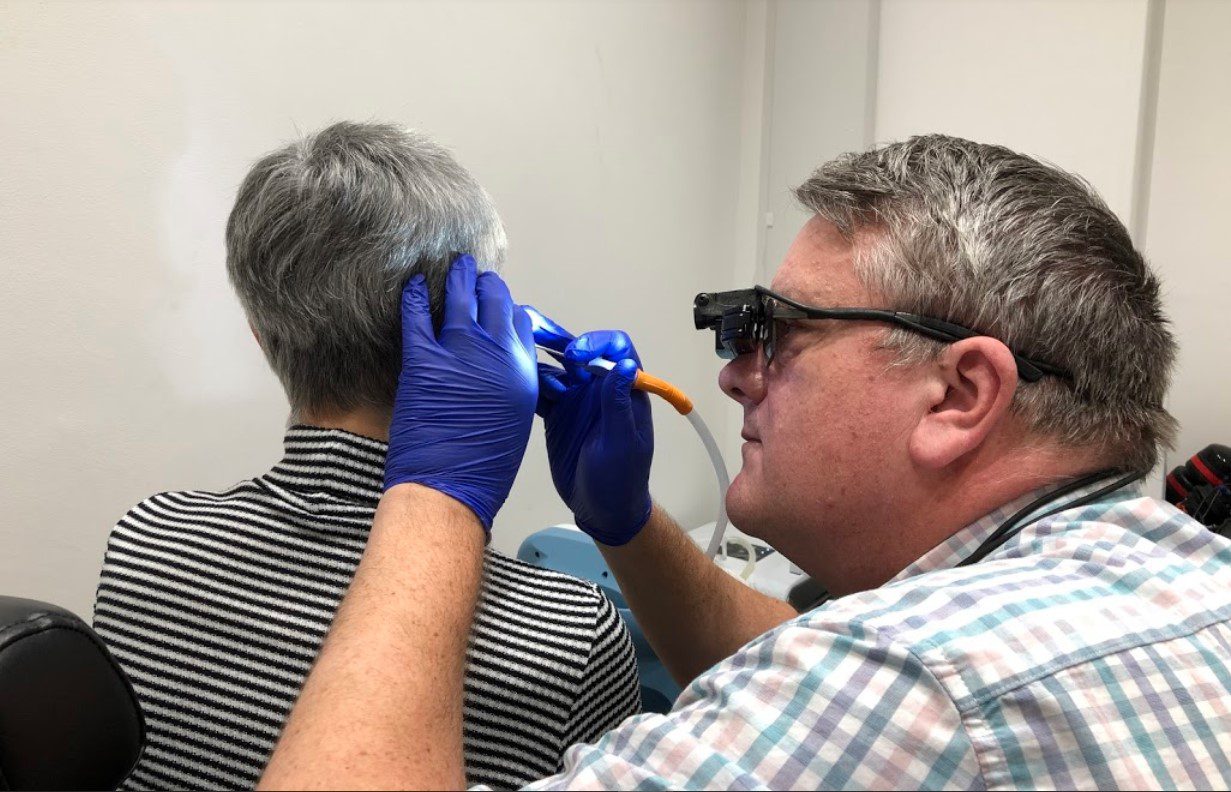
Microsuction is a common private ear wax removal method used by trained audiologists and hearing care professionals. It uses a gentle suction device and magnification to remove wax from the ear canal, which means the clinician can see what they are doing clearly throughout the procedure. Many patients choose it because it is typically quicker and cleaner than some older methods, and because it avoids the use of water in the ear. That can matter for people with recurring wax, previous ear infections, hearing aid use, or a preference for a more controlled clinic-based treatment. The directory pages point towards clinics that focus on ear wax removal rather than general healthcare, so the service is usually more specialist in nature. If you are comparing options, look for phrasing such as microsuction, manual instrument removal, and audiologist-led care. Those terms usually indicate a clinic with specific experience in earwax management and hearing-related support.
Why People Often Prefer a Specialist Approach
A specialist clinic can offer more consistency, clearer advice, and a better understanding of when wax removal is suitable. It also helps when a clinician can explain the ear examination, discuss whether wax is causing the problem, and advise whether further hearing assessment may be sensible.
Before You Book, Check the Service Fit
It is sensible to choose a clinic that matches your needs, not just your postcode. If you have ear pain, an active infection, or a perforated eardrum history, you should ask whether the clinic can assess suitability before treatment.
Simple Tip for First-Time Visitors
Bring a short list of symptoms, any recent ear drops you have used, and details of hearing aids if you wear them. This helps the appointment start with the right context.
Why That Helps
Good preparation makes it easier for the clinician to understand whether earwax is the likely cause of reduced hearing, pressure, or a blocked sensation, and whether removal is appropriate on the day.
How to Use the Directory for a Fast Local Search
The easiest way to use this practice directory is to begin with the place name you already know, then compare the clinic page details against your practical needs. If you are searching for a town such as Ashford, Barnet, Cambridge, Ealing, Oxford, or Watford, the directory gives you a dedicated page for each clinic. From there, you can check what the page says about parking, access, and the type of removal offered. This is especially useful if you are trying to choose between several nearby options and want to make a decision based on facts rather than guesswork. A local search also matters for people who need a clinic that fits around work, school, or caring responsibilities. You may be looking for a single appointment, but the details on each page can help you judge whether the site is easy to fit into your day. A structured directory saves time because it lets you move from broad search intent to a location-specific clinic page in just a few clicks.
Search Habits That Save Time
- Start with your town name, then scan for the clinic page that matches your postcode or nearest transport link.
- Check whether the page mentions the ground floor, lift access, or disabled parking if mobility matters to you.
- Look for the closest landmark, such as a station, shopping centre, pharmacy, or surgery, to understand the setting.
- Read the local summary before booking, because it may explain where the clinic sits within a larger building.
- Use the clinic page to judge whether a private appointment is convenient enough to fit into your day without stress.
A Practical Way to Compare Nearby Locations
If two clinics seem equally suitable, the deciding factor is often convenience. One may have easier parking, while another may be closer to a station or main road. Small differences like these can make the whole visit smoother.
What to Expect When a Clinic Page Opens
Each clinic page in the directory is built to help visitors understand the local setting before they book. In most cases, you can expect a description of where the clinic is based, what the surrounding area is like, and whether there are any access notes worth knowing. That may include details about parking, nearby public transport, step-free entry, or whether the clinic is located on a ground floor. Some pages also highlight the main treatment style, such as microsuction or manual wax removal, which helps patients understand the clinic's specialist focus. This is useful because many people searching for earwax treatment want reassurance before they make contact. They may have had a poor experience elsewhere, or they may simply want a cleaner, faster, more predictable appointment. A good location page should answer the key questions quickly: where is the clinic, how do I get there, and is it suitable for my needs? That is the kind of information the directory is designed to surface.
Information Worth Checking on Every Page
- The town or district name, so you know the clinic serves the area you expected.
- The building name or local landmark, which helps when you are planning your route.
- Parking and access notes, especially if you need disabled parking or step-free entry.
- The treatment types listed, since some clinics focus on microsuction and others also offer manual instrument removal.
- Any clues about surrounding areas served, which may help if you live just outside the clinic postcode.
Why Page Detail Matters
Clear local information reduces uncertainty. When someone is dealing with blocked ears, hearing changes, or pressure, they usually want a clinic that feels easy to find and easy to visit.
Helpful Reminder
Always check the clinic page itself before travelling, because access details can vary from one location to another even within the same practice network.
Accessibility Matters for Comfortable Clinic Visits
Accessibility is a key part of choosing any health clinic, especially when the appointment involves a procedure inside the ear. Many people need a clinic that feels manageable from the moment they arrive, whether that means a ground-floor room, a lift, nearby parking, or a short walk from a station. The practice pages in this directory often highlight those practical points because they can shape the whole experience. Accessibility is not only about wheelchair users either. It can help older adults, parents with children, people carrying hearing aids or mobility aids, and anyone who would rather avoid stairs after a stressful journey. When you are comparing locations, it is worth reading the access notes carefully and thinking about the full route, not just the postcode. Some clinics are in pharmacies, health centres, or specialist treatment spaces, so the entrance route may be different from what you expect. A few minutes spent checking the details can prevent avoidable difficulty on the day.
Accessibility Features People Often Look For
Ground-floor treatment rooms, lift access, short walking distances, and clearly stated disabled parking can all make a clinic easier to use.
Think Beyond the Doorway
True accessibility includes the whole journey, from the nearest parking space or bus stop to the reception desk and treatment room. If any step feels uncertain, it is sensible to confirm it before booking.
Practical Tip
If you rely on a wheelchair, walking aid, or support from a companion, choose the page that gives the clearest access information, not simply the nearest clinic name.
Why This Is Important
A clinic visit should reduce stress, not create it. Clear access details can make ear wax removal feel more straightforward, safer, and better planned.
Ear Health Support for People with Hearing Changes
Many visitors to the directory are not just looking for a clinic, they are trying to solve a specific ear health problem. Blocked wax can cause a muffled feeling, poor sound clarity, a full sensation in the ear, or a sense that one side of hearing has changed. For hearing aid users, wax can also affect device performance, which makes regular ear care even more important. A specialist clinic can help decide whether wax is the likely cause and whether removal is appropriate. That is why the directory focuses on clinics with a clear ear wax removal service, rather than general listings that may not be relevant. If you have recurring wax build-up, it can be useful to keep a record of when symptoms start and what tends to make them worse. That information helps the clinician understand your pattern and may support future appointments. Good ear care is about more than clearing one blockage, it is about choosing a service that can support you over time.
Common Reasons People Search for a Clinic
- Reduced hearing that appears suddenly, especially when one ear feels fuller or more blocked than usual.
- Wax affecting hearing aid performance, sound quality, or comfort during daily use.
- A need for a quick private appointment when symptoms are interfering with work or family life.
- Preference for a specialist ear clinic rather than a general practice setting.
- Concern about recurring wax build-up and wanting a clinician who can assess the ear properly.
When to Seek Proper Advice
If pain, discharge, or a recent ear infection is present, it is sensible to seek professional guidance before booking wax removal. A specialist page may give you a clearer idea of whether the clinic can assess suitability first.
Why Specialist Clinic Listings Help You Make a Better Choice
Not every health listing gives enough detail to support a good decision. Specialist practice pages are more helpful because they explain what the clinic actually does, where it is based, and how easy it is to access. That matters in ear wax removal, where people often want reassurance, not general marketing. A good directory entry should give practical, location-specific information and allow you to compare providers in a sensible way. It should help you understand whether the clinic is in a shopping centre, surgery, pharmacy, or dedicated treatment space, and whether the site looks suitable for your situation. This kind of clarity supports better booking decisions and may also reduce the chance of wasted journeys. For people who value a straightforward experience, specialist listings are useful because they keep the focus on the service that matters most: professional wax removal, accessible premises, and local convenience. In a busy day, that is exactly the kind of detail that counts.
Signs of a Useful Clinic Page
- It tells you the exact area, building, or street so you know where the clinic sits in relation to your route.
- It explains the service clearly, using terms like microsuction, manual removal, or audiologist-led ear care.
- It includes practical access details rather than vague general claims.
- It helps you understand who the clinic is suitable for, especially if you have mobility or transport needs.
- It gives you enough confidence to book without having to search elsewhere for basic facts.
What a Good Listing Should Do
It should remove doubt. The best clinic pages make it easier to choose, easier to plan, and easier to attend without unnecessary surprises.
Plan Ahead for a Smoother First Visit
A little preparation can make a private ear wax removal appointment much easier. Before you travel, check the clinic page for the building name, parking notes, and any access details that might affect your arrival. If the page mentions a station, shopping centre, or nearby road, use that to plan your route rather than relying on memory alone. It also helps to think about what you need to bring. For example, if you wear hearing aids, it may be useful to note the make and how long you have been using them. If your ears have been troublesome for a while, a short timeline of symptoms can help the clinician understand the background quickly. People often feel more relaxed when they know where they are going and what to expect. That is especially true if they have had wax removal before and want a more efficient experience this time. Careful planning makes the appointment feel less like a chore and more like a sensible step towards clearer hearing.
Simple Preparation Checklist
- Read the clinic page again on the day of travel, because access or parking notes are easy to forget.
- Allow extra time if you are using public transport, a busy car park, or a high street location.
- Bring hearing aid information if relevant, because it can help the clinician tailor advice.
- Keep a note of any ear drops, recent pain, or previous treatment that may affect the appointment.
- Plan your return journey in advance so you do not feel rushed after treatment.
Useful Habit for Repeat Appointments
If you know wax build-up is a recurring issue, save the clinic page in your browser. That makes it much easier to return when you need another visit.
Local Coverage Can Extend Beyond the Town Name
Many clinic pages in the directory serve a wider area than their main town listing suggests. That is helpful if you live in a nearby district, commuter village, or neighbouring borough and still want a specialist ear wax removal service close to home. A clinic in a central location may suit several surrounding communities because of its road access, public transport links, or easy parking. This is one reason local pages can be so useful, they often provide practical clues about how far the clinic's reach really goes. If you are not sure whether a listed clinic is convenient enough, check the page for nearby landmarks, station names, and route details. Those clues usually tell you more than a postcode alone. People often assume they need the nearest clinic in a strict sense, but in practice the best option is often the one that balances travel time, accessibility, and appointment convenience. The directory helps you make that judgement with better local context.
How to Judge Coverage for Your Area
A clinic may be physically based in one town and still be a sensible choice for several nearby places if it has good road links, parking, and straightforward access.
Look for Route Clues
Station references, road junctions, and known local landmarks can tell you whether a clinic is practical for your journey, especially if you are coming from outside the main town.
Practical Note
Do not assume that a nearby postcode is always the best fit. In ear care, the easiest route often matters more than the shortest straight-line distance.
Find your ideal health clinic with our list of trusted clinic providers:

Ashford: Private Microsuction Ear Wax Removal in Ashford Tn24
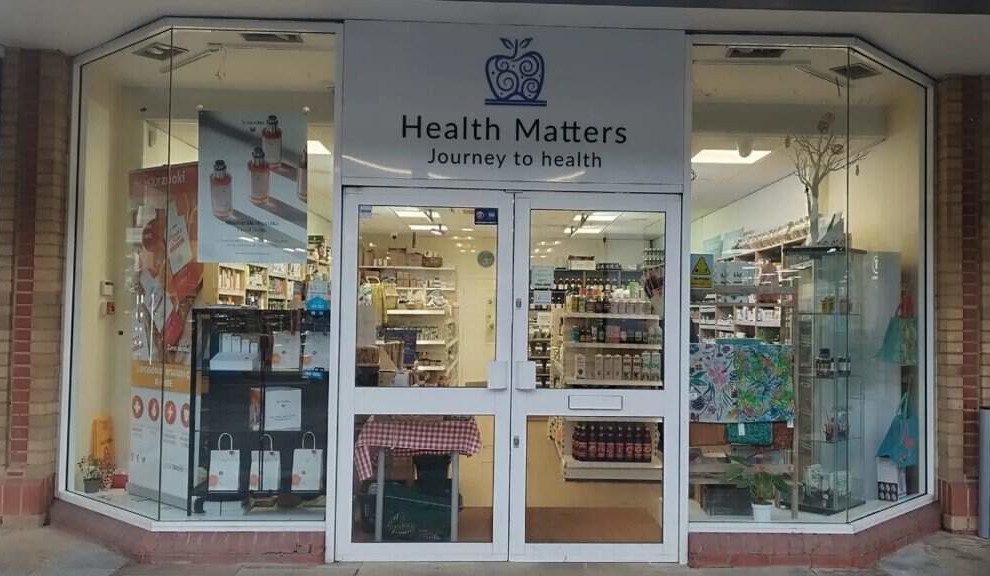
Barnet: Private Microsuction Ear Wax Removal in Barnet En5
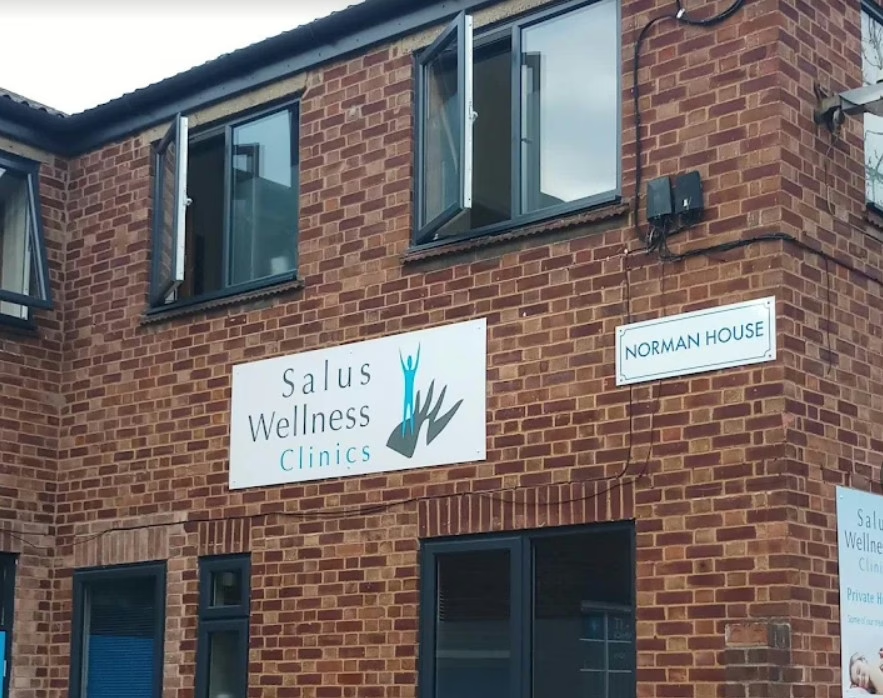
Cambridge: Private Microsuction Ear Wax Removal in Cambridge Cb2
Colindale: Private Microsuction Ear Wax Removal in North West London Nw4
Ealing: Private Microsuction Ear Wax Removal in Ealing W5

East Finchley: Private Microsuction Ear Wax Removal in East Finchley N2
Edgware: Private Microsuction Ear Wax Removal in North London Nw4

Enfield: Private Microsuction Ear Wax Removal in Enfield En1
Finchley: Private Microsuction Ear Wax Removal in Finchley North London
Hastings: Private Microsuction Ear Wax Removal in Hastings Tn34
Hendon: Private Microsuction Ear Wax Removal in North West London Nw4
Hythe: Private Microsuction Ear Wax Removal in Hythe Ct21
Kingston: Private Microsuction Ear Wax Removal in Kingston-Upon-Thames Kt6
Mill Hill: Private Microsuction Ear Wax Removal in North West London Nw4

Milton Keynes: Private Microsuction Ear Wax Removal Mk in Bucks Mk2

Muswell Hill: Private Microsuction Ear Wax Removal in Muswell Hill N2

Oxford: Private Microsuction Ear Wax Removal in Oxford Ox2
Reading: Private Microsuction Ear Wax Removal in Reading Rg30

St Albans – Private Microsuction Ear Wax Removal in St Albans Al1
Surbiton: Private Microsuction Ear Wax Removal in Surbiton Kt6

Watford: Private Microsuction Ear Wax Removal in Watford Wd3

Welwyn Garden City: Private Microsuction Ear Wax Removal in Welwyn Al8
Choose with Confidence Using Clear Clinic Details
The aim of this directory is simple: to help you find a reliable ear wax removal clinic with less effort and more certainty. When a page gives you clear location information, accessibility guidance, and a specific service focus, you can make a better decision before you book. That matters because ear wax problems are often uncomfortable, distracting, and inconvenient. People want answers quickly, and they want those answers to come from a clinic that feels credible and easy to reach. By listing local practice pages together, the directory makes comparison far easier. You can weigh up microsuction clinics by area, assess which places offer the most suitable access, and identify the one that best matches your daily routine. If you are unsure which location to choose, start with the page closest to home or work, then compare parking and transport details. That approach usually leads to the most practical choice, not just the nearest one on a map.
Final Checks Before You Decide
- Does the clinic page clearly state the town, building, or local area you need?
- Is there enough access information to suit your mobility and transport needs?
- Does the service description mention microsuction or another specialist wax removal method?
- Can you tell, from the page alone, whether the clinic feels convenient and suitable?
- Have you read the most practical details, rather than relying only on the clinic name?
Best Next Step
Once you have found the most suitable location, follow the clinic page to review the local details, then book with confidence knowing the site matches your needs.